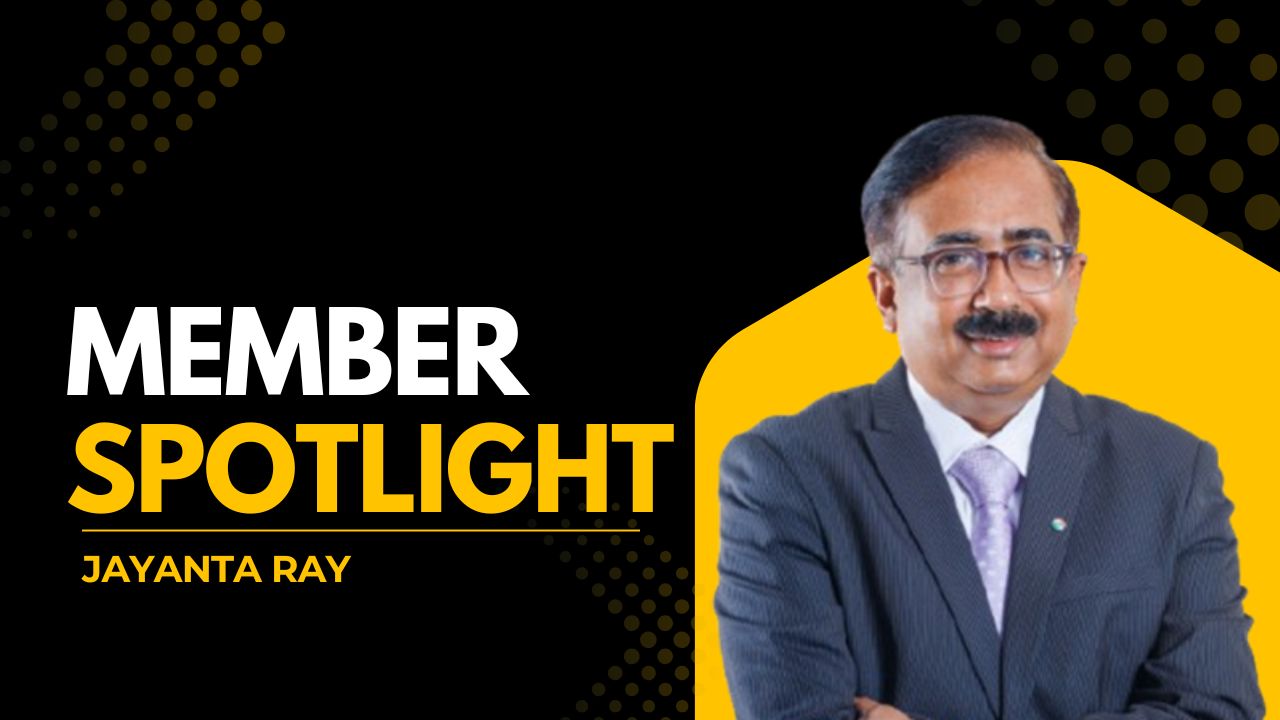
A seasoned industry leader reflects on OEM collaboration, emission-driven innovation and the evolving role of lubricants in India’s growth story.
“Lubricants today must carry more load, run cleaner, and last longer — all at the same time.”
With nearly three decades in the lubricants industry, including 19 years at Shell India and 9 years with GS Caltex, Jayanta Ray has worked across passenger vehicles, commercial vehicles, off-highway OEMs and industrial lubricants. His career spans global OEM engagements, fuel-economy initiatives and cross-border collaboration. In this conversation, he shares how emission norms, sustainability and technology are reshaping lubricant formulation and industry priorities in India.
Could you share your professional journey and current focus in the lubricants industry?
My journey spans close to 28 years in the lubricants industry, with 19 years at Shell India and the last 9 years with GS Caltex. I’ve worked across passenger cars, commercial vehicles, off-highway OEMs, and industrial lubricants. At Shell, exposure to global R&D centres and strong leadership helped shape my approach, while at GS Caltex I’ve been deeply involved in expanding OEM engagement and managing complex projects across India and other markets.
What inspired you to work in this sector and stay committed to it?
What began as a sudden recruitment into Shell India’s industrial lubricants division gradually turned into a passion. Working with global and local leaders, receiving training across Shell R&Ds, and engaging in OEM rollout projects gave me a deep appreciation of how lubricants enable performance, efficiency and reliability. Managing virtual global teams further strengthened my interest in solving complex, real-world challenges.
What career milestones are you most proud of?
Being part of Shell Global Solutions, managing global key accounts and contributing to strategic task forces at GS Caltex to expand business in India and overseas stand out strongly. I was also nominated to coach the China lubricants team for GS Caltex’s B2B business, which was a rewarding opportunity to share knowledge and build capabilities across markets.
How has the lubricants industry changed over the past decade?
The biggest shifts have been driven by stricter emission norms (from BS-III to BS-VII) and major hardware changes like smaller sumps and compact engine designs. Lubricants today must deliver higher load-carrying capacity while remaining more robust, efficient and sustainable. This has fundamentally changed how formulations are designed and validated.
What technologies will shape the next five years of lubricants and fluids?
The move toward synthetic lubricants with longer drain intervals and superior performance will accelerate. Sustainability is pushing innovation toward lower carbon footprints and the use of re-refined base oils (RRBO) will grow to support a circular economy. Consumers will increasingly value efficiency, durability and environmental responsibility together.
How do you see sustainability influencing formulation, usage and disposal in India?
Waste-oil collection remains a major challenge, but the ecosystem is evolving. CPCB, refiners, lubricant manufacturers, OEMs and BIS have come together to promote RRBO adoption. As a result, we’ll soon see new formulations featuring RRBO positioned as green lubricants, marking a significant shift toward sustainable practices in India.
Which sectors show the strongest growth potential and what are customers asking for today?
With two-wheelers and passenger cars gradually moving toward EVs, growth in automotive will be driven largely by tractors and commercial vehicles. Industrial lubricants are also expected to grow in line with India’s GDP expansion. Customers today are highly focused on reliability, productivity and total cost of ownership, especially in an increasingly competitive market.
“Sustainability is no longer optional — it is shaping how lubricants are designed, used and recovered.”
What skills will be most critical for future professionals in this sector?
Strong R&D capabilities for high-end, sustainable lubricants will attract and retain top talent. As AI enters the lubricants space, sales and technical teams must gradually re-skill to work with data-driven tools, advanced diagnostics and evolving customer expectations.
Your advice for companies expanding in India and the role of collaboration?
Manufacturers must identify a clear niche — without differentiation, competition becomes unsustainable. Collaboration between industry, academia and policymakers is essential. Forums led by PSUs and professional bodies such as ICIS, Petrosil and Rosefield are already doing meaningful work in encouraging joint research, knowledge exchange and innovation.
Why are platforms like the Lubricant India Expo & Summit important?
Such platforms bring experts together to share experience and knowledge, enriching the industry as a whole. They also help prepare the next generation to enter the lubricants sector with clarity, confidence and technical understanding.
“It’s not what happens to you, but how you react to it that matters.”
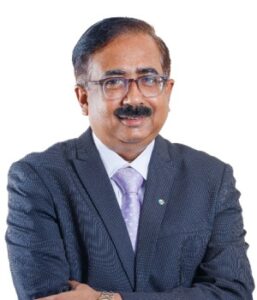 Jayanta Ray is a senior lubricant professional with nearly 28 years of industry experience, including long tenures at Shell India and GS Caltex. He has worked extensively with automotive and industrial OEMs, global key accounts and cross-border teams, contributing to fuel-economy projects, OEM approvals, and sustainable lubricant strategies. He is an avid reader and believes continuous learning is essential for navigating change.